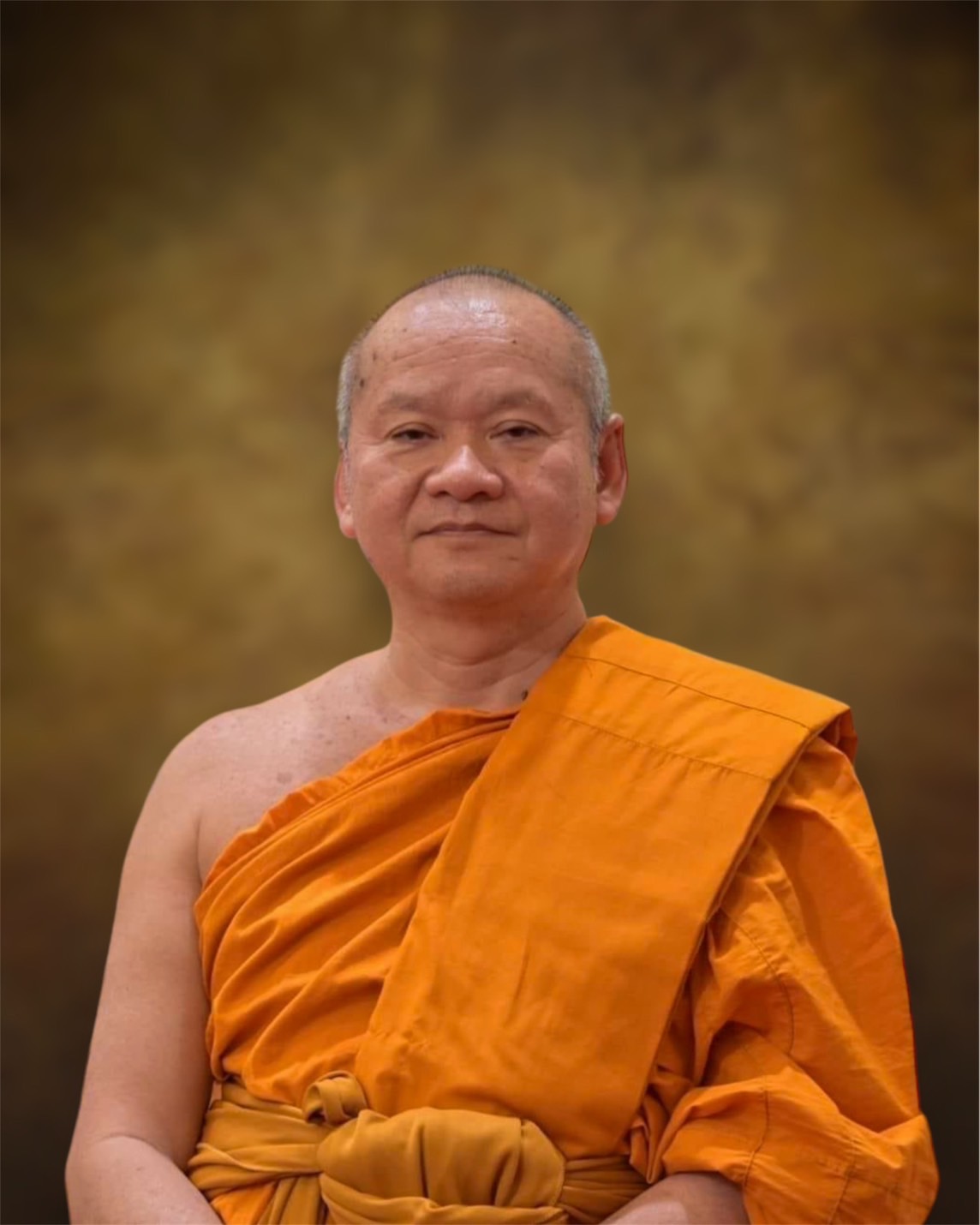
Integrating Sekhiyavatta Principles for the Development of Ethical and Aesthetic Qualities of the Buddhist Community
Keywords:
Sekhiyavatta, Ethical Aesthetics, Social Aesthetics, Buddhist Community, Social DevelopmentAbstract
This academic article aims to analyze and decode the core principles of "Sekhiyavatta" (Rules of Training) as a social innovation that harmoniously integrates ethics and aesthetics. It further proposes guidelines for integrating these principles to enhance the quality of life and elevate the social standards of the Buddhist community amidst the challenges of the contemporary world. Through in-depth documentary research involving the Tipitaka and relevant Buddhist scriptures, the findings reveal that Sekhiyavatta is not merely a set of social etiquette rules or disciplinary prohibitions for monks within a traditional framework. Instead, it constitutes "Ethical Aesthetics"—the art of living focused on refining human behavior from the external to the internal, fostering beauty in conduct alongside goodness in the mind.
The synthesis of data indicates that the effective integration of Sekhiyavatta into the lifestyle of the Buddhist community must be driven through three strategic dimensions: 1) Physical Cultivation (Kāyabhāvanā) The development of personality and physical expressions that convey tranquility, composure, and respect for places and individuals, serving as a foundation for self-transcendence; 2) Mindful Consumption (Bhojanapaṭisaṃyutta): The creation of a culture characterized by mindful, moderate, and responsible consumption of resources to address the issues of consumerism; and 3) Ethical Communication (Dhammadesanā-paṭisaṃyutta): The establishment of ethical standards in communication and knowledge transmission imbued with wisdom and appropriateness to time and place, particularly in the digital age. The application of these principles serves as a pivotal mechanism in elevating the Buddhist community from mere rule-followers to practitioners of a complete "Civilized Way." This transformation contributes to the creation of a blissful social ecosystem, the reduction of conflict, and the sustainable preservation of cultural beauty, all of which are fundamental to human resource development in the 21st century.
References
พระไพศาล วิสาโล. (2554). วิถีชาวพุทธ: คู่มือการดำเนินชีวิตสำหรับคนรุ่นใหม่. กรุงเทพฯ: สวนเงินมีมา.
พระพรหมคุณาภรณ์ (ป. อ. ปยุตฺโต). (2558). พุทธธรรม ฉบับปรับปรุงและขยายความ. (พิมพ์ครั้งที่ 42). กรุงเทพฯ: ผลิธัมม์.
พระธรรมโกศาจารย์ (ประยูร ธมฺมจิตฺโต). (2549). พุทธวิธีบริหาร. กรุงเทพฯ: โรงพิมพ์มหาจุฬาลงกรณราชวิทยาลัย.
พระธรรมปิฎก (ป. อ. ปยุตฺโต). (2546). การพัฒนาที่ยั่งยืน. กรุงเทพฯ: มูลนิธิโกมลคีมทอง.
มหาจุฬาลงกรณราชวิทยาลัย. (2539). (เล่มที่ 1, 2, 4). กรุงเทพฯ: โรงพิมพ์มหาจุฬาลงกรณราชวิทยาลัย. พระไตรปิฎกภาษาไทย ฉบับมหาจุฬาลงกรณราชวิทยาลัย
วศิน อินทสระ. (2541). หลักธรรมสำหรับผู้บริหาร. กรุงเทพฯ: ธรรมดา.
สมเด็จพระมหาสมณเจ้า กรมพระยาวชิรญาณวโรรส. (2545). วินัยมุข เล่ม 1 (หลักสูตรนักธรรมชั้นตรี). กรุงเทพฯ: มหามกุฏราชวิทยาลัย.
สุชีพ ปุญญานุภาพ. (2539). พระไตรปิฎกฉบับสำหรับประชาชน. กรุงเทพฯ: มหามกุฏราชวิทยาลัย.
Phra Brahmagunabhorn (P. A. Payutto). (2018). Dictionary of Buddhism. Bangkok: Mahachulalongkornrajavidyalaya University Press..
Downloads
Published
How to Cite
Issue
Section
License
Copyright (c) 2026 Pāli–Theravāda Review Journal (PTRJ)

This work is licensed under a Creative Commons Attribution-NonCommercial-NoDerivatives 4.0 International License.
This article is published under a Creative Commons Attribution-NonCommercial-NoDerivatives 4.0 International License (CC BY-NC-ND 4.0), which allows others to share the article with proper attribution to the authors and prohibits commercial use or modification. For any other reuse or republication, permission from the journal and the authors is required.