The Role of Novice Boonnak Khoso in Upholding the Dhamma-Vinaya
Keywords:
Novice Boonnak Khoso, Religious Heir, Monk, Dhamma and Vinaya, Success MantraAbstract
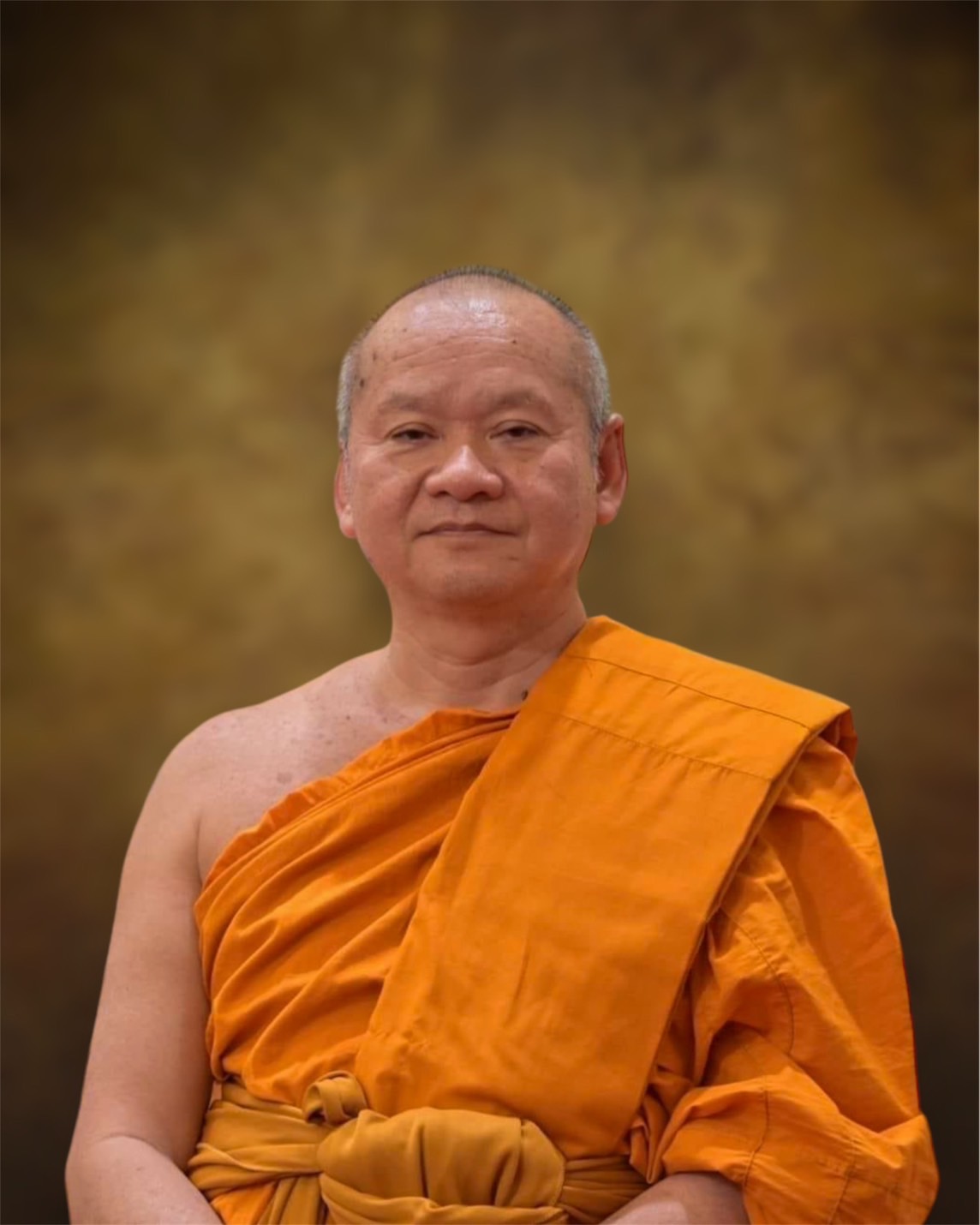
This article aims to study the role of Novice Boonnak Khoso as a religious heir who
steadfastly upholds the Dhamma and Vinaya, through an analysis of relevant documents and
media. The study found that Novice Boonnak Khoso is a reflection of a religious heir who
firmly adheres to the essence of the Dhamma and Vinaya. He is a disciple of Luang Pu Mun
Bhuridatto who dedicated his life to practicing meditation according to the Four Foundations
of Mindfulness since a young age. He began his solitary pilgrimage at the age of 15 to train his
mind to overcome fear and death. His conduct focuses on being a “monk” (Samana) measured
by inner peace and the renunciation of defilements, rather than outward appearance.
Novice Boonnak Khoso played a prominent role as a steadfast adherent to the
Dhamma and Vinaya, demonstrating his courage in admonishing and criticizing deviations from
the Vinaya within the monastic community. Even when faced with pressure from the seniority
system or traditionalism, he remained committed to the principle that “the Dhamma and
Vinaya represent the Buddha”, reflecting an ethical stance that prioritizes principles over
personal relationships or power structures. Furthermore, even when spiritual dimensions such
as the “success mantra” from Luang Pu Suang, the “Earth-Playing Angel”, were involved, he
used them as a means to maintain his faith in the Triple Gem. Novice Boonnak Khoso is
therefore an example of someone who connects the principles of the Tripitaka to practical
application with honesty and unwavering faith.
References
จารุกิตติ์ กิจวรรณี. (2559). หลวงปู่สรวง เทวดาเดินดิน เล่ม 1 (พิมพ์ครั้งที่ 3). ร้อยเอ็ด: จันทรเกษมการ
พิมพ์.
ทิพยจักร. (2556). หลวงปู่สรวง เทวดาเดินดิน ผู้วิเศษแห่งเขาพนมกุเลน (พิมพ์ครั้งที่ 5). นนทบุรี: สำนักพิมพ์
กรีน ปัญญาญาณ.
เทพย์ สาริกบุตร. (2538). คัมภีร์หัวใจ 108. กรุงเทพมหานคร: เสริมวิทย์บรรณาคาร.
ปฐม นิคมานนท์, รองศาสตราจารย์ ดร. และ ภัทรา นิคมานนท์, รองศาสตราจารย์. (2552). หลวงปู่มั่น ภู
ริทตฺโต ประวัติ ข้อวัตรและปฏิปทา (พิมพ์ครั้งที่ 8). กรุงเทพมหานคร: พี.เอ. ลีฟวิ่ง จำกัด.
พระบุญนาค โฆโส. (2510). พระบุญนาคเที่ยวกรรมฐาน. พระนคร: สำนักงานทรัพย์สินส่วนพระมหากษัตริย์.
พระพรหมคุณาภรณ์ (ป.อ. ปยุตฺโต). (2551). พจนานุกรมพุทธศาสน์ ฉบับประมวลศัพท์ (ชำระ-เพิ่มเติม ช่วงที่
(พิมพ์ครั้งที่ 12). กรุงเทพมหานคร: โรงพิมพ์มหาจุฬาลงกรณราชวิทยาลัย.
พระมหาภูลังกา เขมทสฺสี. (2537). ตามรอยธรรมหลวงปู่สรวง เทวดาเดินดิน. กรุงเทพมหานคร: ทำดี ทีม.
มหาจุฬาลงกรณราชวิทยาลัย. (2539). พระไตรปิฎกภาษาไทย ฉบับมหาจุฬาลงกรณราชวิทยาลัย.
กรุงเทพมหานคร: โรงพิมพ์มหาจุฬาลงกรณราชวิทยาลัย.
สุธน ศรีหิรัญ. (2556). ประวัติ อภินิหาร และวัตถุมงคล หลวงปู่สรวง เทวดาเล่นดิน. พิมพ์ครั้งที่ 2.
กรุงเทพมหานคร: สำนักพิมพ์บางกอกสาส์น.
สำรวย นักการเรียน. (2546). ธรรมะจากเจ็ดตำนาน สิบสองตำนาน คาถาพาหุง. กรุงเทพมหานคร:
ราชบัณฑิตยสถาน.
พระเกจิ. (7 มกราคม 2564). พระอาจารย์บุญนาค โฆโส หรือสามเณรบุญนาค ท่องกรรมฐาน.
Published
How to Cite
Issue
Section
License
Copyright (c) 2026 Pāli–Theravāda Review Journal (PTRJ)

This work is licensed under a Creative Commons Attribution-NonCommercial-NoDerivatives 4.0 International License.
This article is published under a Creative Commons Attribution-NonCommercial-NoDerivatives 4.0 International License (CC BY-NC-ND 4.0), which allows others to share the article with proper attribution to the authors and prohibits commercial use or modification. For any other reuse or republication, permission from the journal and the authors is required.