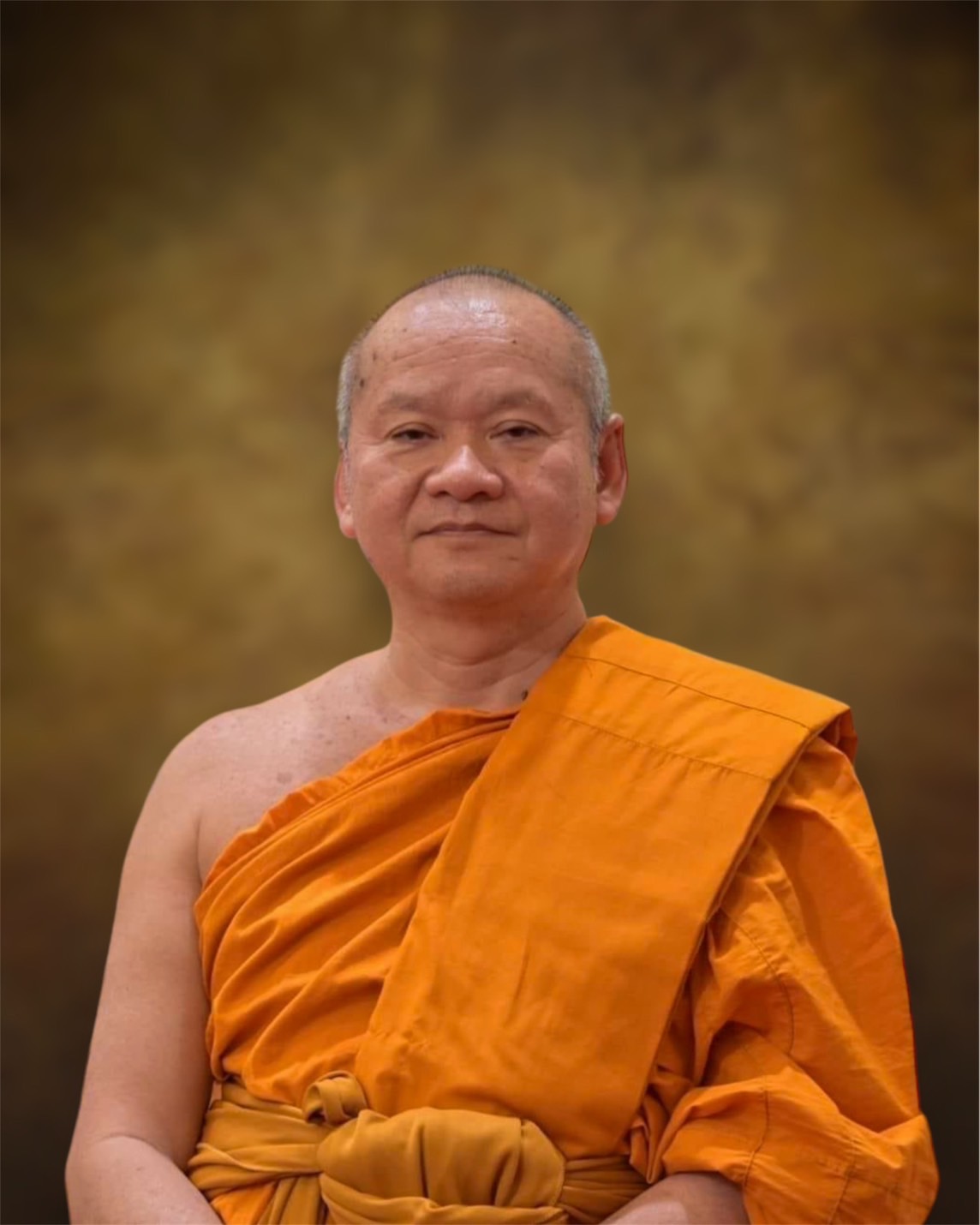
A Buddhological Analysis of the Processes and Stages of "Phuttho" Samatha-Vipassana Meditation in the Lineage of Luang Pu Mun Bhuridatta: A Case Study of Phra Ajahn Singh Khantiyagamo’s Treatises
Keywords:
Samatha-Vipassana, Luang Pu Mun Bhuridatta, Phra Ajahn Singh Khantiyagamo; Body Contemplation; Three Marks of Existence, Body Contemplation, Three Marks of ExistenceAbstract
This analytical research article aims to systematically study, investigate, and synthesize the structural mechanisms of the mind within the process of "Phuttho" Samatha-Vipassana meditation. The study focuses on a case analysis of the foundational treatises and strategic teachings of Phra Ajahn Singh Khantiyagamo, a pivotal master who laid the groundwork for the Forest Tradition’s practice. The findings reveal that the mental dynamics within this lineage consist of logically coherent and sequential stages. It begins with the establishment of a firm ethical foundation through the power of faith and strict adherence to Precept-Restraint (Sila-Samvara), which serves as the primary barrier to reduce emotional friction and suppress the Five Hindrances (Nivarana) that disturb the mind. Once this foundation is ready, the mind enters the dynamic phase of efficient Samatha Bhavana, utilizing the "Phuttho" mantra seamlessly integrated with mindfulness of breathing (Anapanasati) to elevate the intensity of mindfulness and concentration through hierarchical levels: from momentary (Khanika), to access (Upacara), and finally attainment concentration (Appana). This state culminates in the unification of the mind, giving rise to "The Knower" (The Buddha-nature), characterized by extraordinary alertness, luminosity, and mental pliancy.
In the subsequent stage, when the mind possesses fortified "Concentration Power" (Samadhi-bala) and tactical readiness, the process transitions into intensive Vipassana. This involves the strategic investigation of mindfulness directed towards the body (Kayagata-sati) and the deconstruction of the four elements to dismantle the four cognitive distortions (Vipallasa) and eradicate "Self-illusion" (Sakkaya-ditthi) or the deep-rooted attachment to a permanent self. This study significantly highlights that the core of the Phuttho practice is not merely focusing on passive stillness for temporary bliss, but rather the strategic management of awareness and wisdom to permanently and completely uproot the underlying fermentations (Asava) embedded in the subconscious. This leads to a systematic state of liberation (Vimutti) in accordance with the traditional Buddhist path passed down through generations.
References
เถรานุสรณ์. (2446). ประวัติและปฏิปทาพระอาจารย์มั่น ภูริทัตตเถระ. กรุงเทพฯ: มูลนิธิพระอาจารย์มั่น ภูริทัตโต.
พระธรรมวิสุทธิมงคล (บัว ญาณสมฺปนฺโน). (2545). ปฏิปทาของพระธุดงคกรรมฐานสายท่านพระอาจารย์มั่น ภูริทัตโต. อุดรธานี: วัดป่าบ้านตาด.
พระพรหมคุณาภรณ์ (ป.อ. ปยุตฺโต). (2551). พุทธธรรม ฉบับปรับปรุงและขยายความ. (พิมพ์ครั้งที่ 11). กรุงเทพฯ: มูลนิธิพุทธธรรม.
พระอาจารย์ฝั้น อาจาโร. (2552). หลักการปฏิบัติสมาธิภาวนา. สกลนคร: วัดป่าอุดมสมพร.
พระอาจารย์มั่น ภูริทัตโต. (2548). มุตโตทัย: โอวาทธรรมของพระอาจารย์มั่น ภูริทัตโต. กรุงเทพฯ: ศิริวัฒนาอินเตอร์พริ้นท์.
มหาจุฬาลงกรณราชวิทยาลัย. (2539). พระไตรปิฎกฉบับภาษาไทย ฉบับมหาจุฬาลงกรณราชวิทยาลัย. กรุงเทพฯ: โรงพิมพ์มหาจุฬาลงกรณราชวิทยาลัย.
มหามกุฏราชวิทยาลัย. (2540). พระอภิธรรมมัตถสังคหะและฎีกาจดุรงคบท. กรุงเทพฯ: โรงพิมพ์มหามกุฏราชวิทยาลัย.
วิศาล มณีวรรณ. (2554). แนวทางการปฏิบัติกรรมฐานของพระธรรมวิสุทธิมงคล (หลวงตามหาบัว ญาณสมฺปนฺโน). (วิทยานิพนธ์พุทธศาสตรมหาบัณฑิต). พระนครศรีอยุธยา: มหาวิทยาลัยมหาจุฬาลงกรณราชวิทยาลัย.
สิงห์ ขนฺตยาคโม, พระอาจารย์. (2550). แนวทางปฏิบัติสมถวิปัสสนากัมมัฏฐาน. กรุงเทพฯ: สถาบันพลังจิตตานุภาพ.
สิรินธร, สมเด็จพระกนิษฐาธิราชเจ้า กรมสมเด็จพระเทพรัตนราชสุดาฯ. (2544). พุทธศาสนสุภาษิตในวรรณกรรมไทย. กรุงเทพฯ: มูลนิธิสมเด็จพระเทพรัตนราชสุดา.
สุจินต์ บริหารวนเขตต์. (2553). แนวทางเจริญวิปัสสนา. กรุงเทพฯ: มูลนิธิศึกษาและเผยแพร่พระพุทธศาสนา.
สุเชาว์ พลอยชุม. (2542). ประวัติคณะสงฆ์ธรรมยุต. กรุงเทพฯ: มหามกุฏราชวิทยาลัย.
อเนก ขำทอง. (2545). การศึกษาวิเคราะห์วิธีการฝึกสมาธิในพระพุทธศาสนาเถรวาท. (วิทยานิพนธ์พุทธศาสตรมหาบัณฑิต). พระนครศรีอยุธยา: มหาวิทยาลัยมหาจุฬาลงกรณราชวิทยาลัย.
Buddhadatta, A. P. (2002). Concise Pali-English Dictionary. Delhi: Motilal Banarsidass.
Harvey, P. (2013). An Introduction to Buddhism: Teachings, History and Practices. Cambridge: Cambridge University Press.
Nyanatiloka Thera. (1980). Buddhist Dictionary: Manual of Buddhist Terms and Doctrines. Kandy: Buddhist Publication Society.
Thera, N. (1962). The Heart of Buddhist Meditation. London: Rider & Company.
Downloads
Published
How to Cite
Issue
Section
License
Copyright (c) 2026 Pāli–Theravāda Review Journal (PTRJ)

This work is licensed under a Creative Commons Attribution-NonCommercial-NoDerivatives 4.0 International License.
This article is published under a Creative Commons Attribution-NonCommercial-NoDerivatives 4.0 International License (CC BY-NC-ND 4.0), which allows others to share the article with proper attribution to the authors and prohibits commercial use or modification. For any other reuse or republication, permission from the journal and the authors is required.