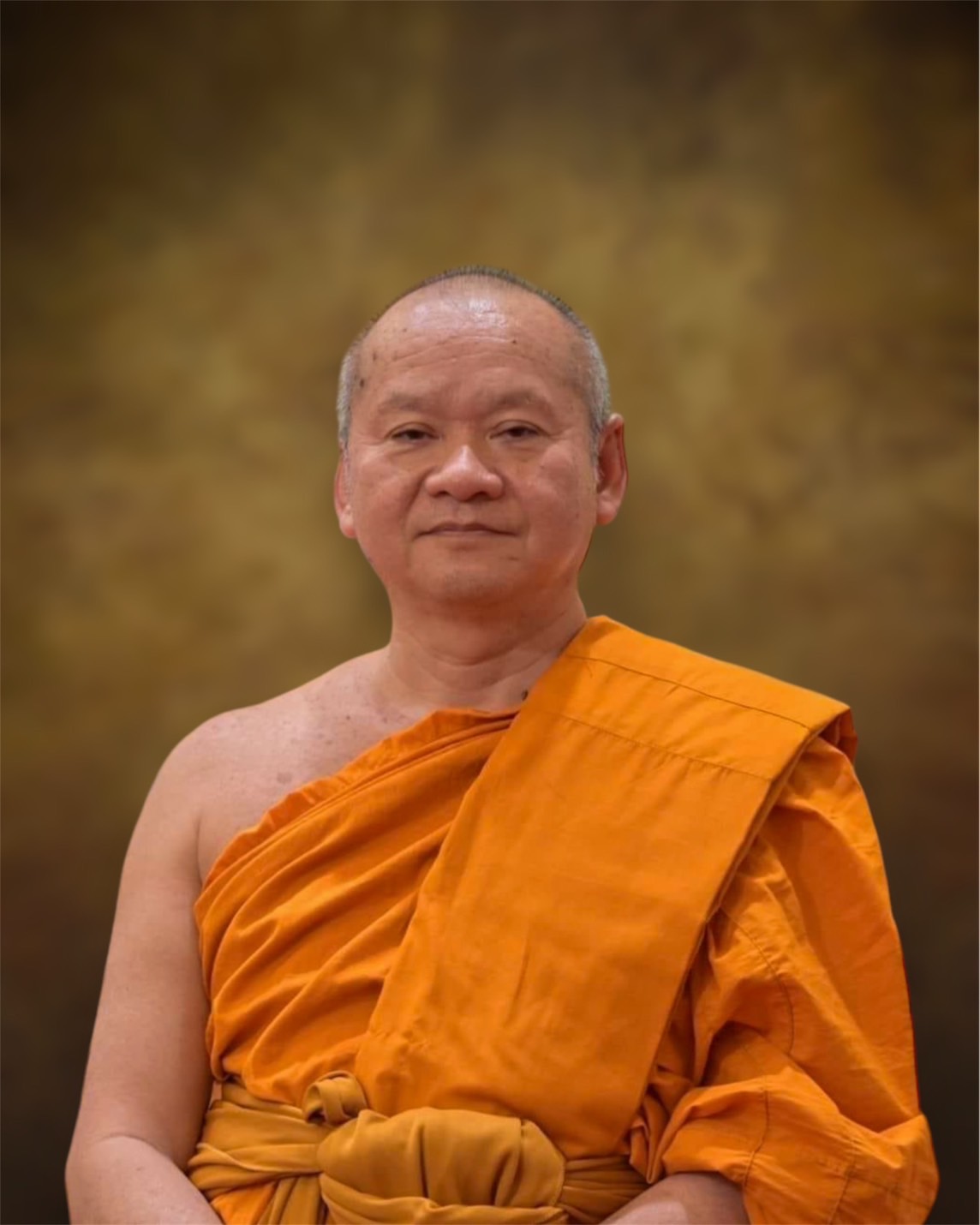
Buddhist Principles of Self-Conduct in Theravāda Buddhism and Contemporary Society
Keywords:
Self-Conduct, Theravāda Buddhism, Buddhist Ethics, Sustainable Society, Moral DevelopmentAbstract
This academic article aims to examine, analyze, and synthesize the Buddhist principles concerning self-conduct (self-discipline) in Theravāda Buddhism and to explain their role as an ethical framework applicable to contemporary society. The study employs documentary research based on the Pāli Canon (Mahachulalongkornrajavidyalaya University edition), relevant commentaries, and authoritative texts in Theravāda Buddhist studies. Data were analyzed using descriptive analysis and conceptual synthesis.
The findings reveal that the principles of self-conduct in Theravāda Buddhism constitute a systematic and interrelated structure. The Five Precepts function as the foundation for regulating basic behavior; the Noble Eightfold Path represents a continuous process of self-development; the Seven Qualities of a Good Person (Sappurisa-dhamma) enhance moral maturity and personal quality; and the Conditions of Non-decline (Aparihāniya-dhamma) sustain social stability and harmony. These principles can be practically applied at multiple levels, including the individual, family, community, and society as a whole.
The new knowledge contribution of this article lies in the synthesis of the concept of self-conduct into an ethical model that conceptualizes self-conduct as an internal mechanism for sustainable social development. This model emphasizes inner human development as the foundation for social peace, stability, and sustainability in contemporary society.
References
พระพรหมคุณาภรณ์ (ป.อ. ปยุตฺโต). (2559). พุทธธรรม: ฉบับปรับขยาย. กรุงเทพฯ: สำนักพิมพ์ผลิธัมม์.
พระพรหมคุณาภรณ์ (ป.อ. ปยุตฺโต). (2554). ธรรมนูญชีวิต. กรุงเทพฯ: สำนักพิมพ์ผลิธัมม์.
พระพรหมบัณฑิต (ประยูร ธมฺมจิตฺโต). (2562). พระพุทธศาสนากับสังคมไทยร่วมสมัย. กรุงเทพฯ: สำนักพิมพ์มหาจุฬาลงกรณราชวิทยาลัย.
พระไพศาล วิสาโล. (2560). พุทธศาสนากับการเปลี่ยนแปลงทางสังคม. กรุงเทพฯ: สำนักพิมพ์สุขภาพใจ.
พระมหาวิเชียร วชิรปัญโญ. (2562). แนวทางการศึกษาพระไตรปิฎกโดยใช้อรรถกถาเป็นฐาน. วารสารบัณฑิตศึกษาพุทธศาสตร์, 7(2), 89–104.
พระมหานพดล ปิยธมฺโม. (2563). การสังเคราะห์หลักธรรมจากพระไตรปิฎกโดยใช้อรรถกถา. วารสารพุทธศาสตร์ศึกษา, 11(1), 55–72.
มหาจุฬาลงกรณราชวิทยาลัย. (2539). พระไตรปิฎกภาษาไทย. กรุงเทพฯ: มหาจุฬาลงกรณราชวิทยาลัย.
วิทย์ วิศทเวทย์. (2558). พุทธจริยศาสตร์. กรุงเทพฯ: สำนักพิมพ์แห่งจุฬาลงกรณ์มหาวิทยาลัย.
สมภาร พรมทา. (2561). พุทธจริยศาสตร์กับสังคมไทยร่วมสมัย. กรุงเทพฯ: สำนักพิมพ์แห่งจุฬาลงกรณ์มหาวิทยาลัย.
สุเชาว์ พลอยชุม. (2564). อรรถกถากับการอธิบายบริบทพระพุทธพจน์ในพระไตรปิฎก. วารสารสังคมศาสตร์และมนุษยศาสตร์พุทธ, 6(3), 23–40.
สำนักงานคณะกรรมการพัฒนาการเศรษฐกิจและสังคมแห่งชาติ. (2564). แผนพัฒนาเศรษฐกิจและสังคมแห่งชาติ ฉบับที่ 13. กรุงเทพฯ:
สำนักงานคณะกรรมการพัฒนาการเศรษฐกิจและสังคมแห่งชาติ.
Harvey, P. (2013). An introduction to Buddhism: Teachings, history and practices (2nd ed.). Cambridge: Cambridge University Press.
Keown, D. (2005). Buddhist ethics: A very short introduction. Oxford: Oxford University Press.
Downloads
Published
How to Cite
Issue
Section
License
Copyright (c) 2026 Pāli–Theravāda Review Journal (PTRJ)

This work is licensed under a Creative Commons Attribution-NonCommercial-NoDerivatives 4.0 International License.
This article is published under a Creative Commons Attribution-NonCommercial-NoDerivatives 4.0 International License (CC BY-NC-ND 4.0), which allows others to share the article with proper attribution to the authors and prohibits commercial use or modification. For any other reuse or republication, permission from the journal and the authors is required.