
การเรียนรู้เฉพาะบุคคลผ่านเส้นทางการเรียนรู้ในการศึกษาปฐมวัย
Article Sidebar
Main Article Content
บทคัดย่อ
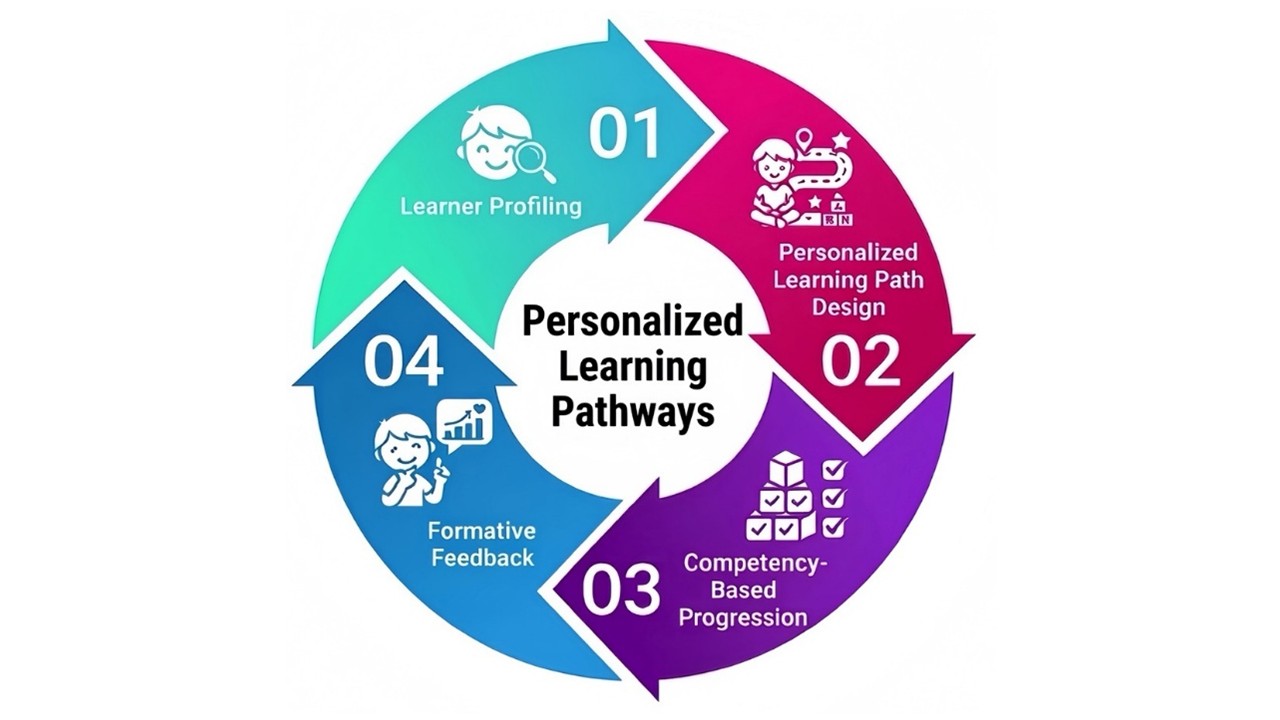
บทความวิชาการฉบับนี้มีวัตถุประสงค์เพื่อนำเสนอกรอบแนวคิดการจัดการเรียนรู้เฉพาะบุคคล (Personalized Learning) ผ่านเส้นทางการเรียนรู้ (Learning Pathways) เพื่อเป็นแนวทางในการตอบสนองต่อความต้องการ และความแตกต่างที่หลากหลายของเด็กปฐมวัย ทั้งในด้านสมรรถนะสมอง พัฒนาการ และความสนใจเฉพาะบุคคล บทความนี้ใช้วิธีการสังเคราะห์มโนทัศน์จากเอกสารและงานวิจัยที่เกี่ยวข้อง เพื่อระบุความสัมพันธ์ระหว่างองค์ประกอบ 4 ประการ ได้แก่ 1) การจัดทำโปรไฟล์ผู้เรียน (Learner Profiling) 2) การออกแบบเส้นทางการเรียนรู้เฉพาะบุคคล (Personalized Learning Pathways) 3) การก้าวหน้าตามความเชี่ยวชาญ (Competency-Based Progression) และ 4) การให้ข้อมูลสะท้อนกลับเพื่อการพัฒนา (Formative Feedback) ผลการสังเคราะห์ชี้ให้เห็นว่า การบูรณาการแนวคิดดังกล่าวจะช่วยสร้างสภาวะความเป็นเจ้าของการเรียนรู้ (Learner Ownership) และส่งเสริมอำนาจการนำตนเอง (Learner Agency) ผ่านการเล่นและการลงมือทำ ซึ่งเป็นรากฐานสำคัญในการบ่มเพาะทักษะการกำกับตนเอง ความพากเพียร และความยืดหยุ่นทางความคิด นอกจากนี้ บทความยังนำเสนอข้อเสนอแนะเชิงปฏิบัติในการปรับบทบาทครูสู่การเป็นผู้อำนวยความสะดวก (Facilitator) และการสร้างความร่วมมือกับครอบครัวเพื่อสร้างความต่อเนื่องในการพัฒนาศักยภาพเด็กปฐมวัย ทั้งนี้ กรอบแนวคิดที่นำเสนอสามารถใช้เป็นแนวทางวิชาการในการออกแบบการเรียนรู้ที่ยืดหยุ่นและเห็นคุณค่าในเอกลักษณ์เฉพาะบุคคลอย่างยั่งยืน
คำสำคัญ: การเรียนรู้เฉพาะบุคคล, เส้นทางการเรียนรู้, เด็กปฐมวัย, อำนาจการนำตนเอง, การเรียนรู้ที่ยืดหยุ่น
Article Details

อนุญาตภายใต้เงื่อนไข Creative Commons Attribution-NonCommercial-NoDerivatives 4.0 International License.
บทความนี้ได้รับการเผยแพร่ภายใต้สัญญาอนุญาต Creative Commons Attribution-NonCommercial-NoDerivatives 4.0 International (CC BY-NC-ND 4.0) ซึ่งอนุญาตให้ผู้อื่นสามารถแชร์บทความได้โดยให้เครดิตผู้เขียนและห้ามนำไปใช้เพื่อการค้าหรือดัดแปลง หากต้องการใช้งานซ้ำในลักษณะอื่น ๆ หรือการเผยแพร่ซ้ำ จำเป็นต้องได้รับอนุญาตจากวารสารเอกสารอ้างอิง
กระทรวงการพัฒนาสังคมและความมั่นคงของมนุษย์. (2562). มาตรฐานสถานพัฒนาเด็กปฐมวัยแห่งชาติ. โรงพิมพ์ชุมนุมสหกรณ์การเกษตรแห่งประเทศไทย.
กองทุนเพื่อความเสมอภาคทางการศึกษา (กสศ.). (2566). ความร่วมมือระหว่างบ้านและโรงเรียนเพื่อพัฒนาการเด็ก. https://www.eef.or.th
จันทร์ฉาย สุขสาร. (2564). การออกแบบเส้นทางการเรียนรู้เพื่อส่งเสริมสมรรถนะการนำตนเอง. วารสารวิชาการครุศาสตร์, 5(1), 12-25.
มูลนิธิสตาร์ฟิชคันทรี่โฮม. (2565). การจัดการเรียนรู้เชิงรุกในบริบทไทย. https://www.starfishlabz.com
สถาบันวิจัยเพื่อการพัฒนาประเทศไทย (TDRI). (2564). กรอบสมรรถนะปฐมวัยเพื่อเตรียมความพร้อมต่อการเปลี่ยนแปลง. ทีดีอาร์ไอ.
สำนักงานคณะกรรมการการศึกษาขั้นพื้นฐาน (สพฐ.). (2563). แนวทางการจัดการเรียนรู้เพื่อลดความเหลื่อมล้ำและพัฒนาทักษะศตวรรษที่ 21. กระทรวงศึกษาธิการ.
สำนักงานบริหารและพัฒนาองค์ความรู้ (OKMD). (2565). นวัตกรรมการเรียนรู้ที่เห็นคุณค่าในความหลากหลาย. https://www.okmd.or.th
สำนักงานรับรองมาตรฐานและประเมินคุณภาพการศึกษา (สมศ.). (2565). การประเมินตามสภาพจริงเพื่อพัฒนาการรายบุคคล. สมศ.
สำนักงานเลขาธิการสภาการศึกษา (สกศ.). (2560). แผนการศึกษาแห่งชาติ พ.ศ. 2560-2579. พริกหวานกราฟฟิค.
สำนักงานเลขาธิการสภาการศึกษา (สกศ.). (2564). การสร้างกลไกเอื้อต่อการเรียนรู้ตลอดชีวิต. 21 เซ็นจูรี่.
สถาบันส่งเสริมการสอนวิทยาศาสตร์และเทคโนโลยี (สสวท.). (2564). การศึกษาฐานสมรรถนะและผลลัพธ์ที่ใช้งานได้จริง. สสวท.
Aristova, N. (2021). Blended learning and digital flexibility in modern education. Pedagogical Innovations.
Barron, B., et al. (2021). Interest-driven learning and future skills. Stanford Graduate School of Education.
Berntsen, et al. (2022). Choice and interest-based experiences in early childhood. Early Childhood Research Quarterly, 59, 101-115.
Bray, B., & McClaskey, K. (2023). Learner-driven environments: Creating ownership and agency. Routledge.
Choi, et al. (2024). Self-efficacy and reflective practice in early learners. Journal of Educational Psychology, 116(2), 245-258.
Cleveland, & Cleveland. (2018). Designing learning pathways: A guide for educators. Routledge.
Dichek, N. (2016). Individualized potential and pedagogical systems. Academy of Pedagogical Sciences.
Du, et al. (2024). Digital tools and participation in early childhood education. Computers & Education, 210, 104-118.
Fullan, M., et al. (2021). Educational architecture: From mass systems to personalized ecosystems. Magisterium.
Garon-Carrier, et al. (2022). Brain development and cognitive windows in early childhood. Developmental Science, 25(4), 1-14.
Hannon, & Peterson. (2021). Fluidity and sustainable success in learning pathways. Global Education Journal, 8(2), 45-58.
Holmes, et al. (2023). Adaptive support and immediate feedback in digital learning. Journal of Interactive Learning Research, 34(1), 77-92.
Karizat, et al. (2024). Respecting diversity and flexible environments in early childhood. International Journal of Early Years Education, 32(1), 55-69.
Khang, et al. (2022). Psychosocial wellbeing and learning recovery in crisis. Educational Review, 74(3), 312-328.
Luckin, R. (2022). Learner profiles: Intelligent databases for education. UCL Knowledge Lab.
Malykhin, O., et al. (2023). Psychological well-being and strategy adjustment in personalized learning. Pedagogical Innovations, 4(1), 22-35.
Milligan, et al. (2023). Dynamic roadmaps and self-pacing in competency-based systems. KnowledgeWorks.
OECD. (2021). Student agency for 2030: Personalized learning frameworks. OECD Publishing.
OECD. (2023). Learner analytics and competency profiling. OECD Education Working Papers, No. 285.
Ottenbreit-Leftwich, et al. (2023). Teacher roles and digital integration in personalized learning. Journal of Research on Technology in Education, 55(2), 189-204.
Pavelchuk, V. (2024). Digital affinity and psychological characteristics of modern learners. Journal of Digital Learning, 12(3), 102-115.
Popenici, S. (2023). Flexible pedagogical architecture and prior knowledge integration. Springer.
Solyst, et al. (2023). Self-regulation and personalized learning pathways. Learning and Instruction, 85, 101-114.
Staker, H. (2022). Competency-based progression: Shifting the measure of success from seat time to mastery. Christensen Institute.
Topuzov, O., & Koshevets, H. (2025). Psychological well-being and personalized learning in early childhood. Academy of Pedagogical Sciences.
Topuzov, O., et al. (2024). Personalized learning for the digital age: An integrated approach. Pedagogical Innovations, 6(2), 88-101.
Wang, et al. (2024). Self-expression and confidence in personalized environments. Early Childhood Education Journal, 52(1), 134-148.
Zhao, Y., & Watterston, B. (2021). The post-pandemic curriculum: Personalized competencies. Journal of Educational Change, 22(3), 301-314.
